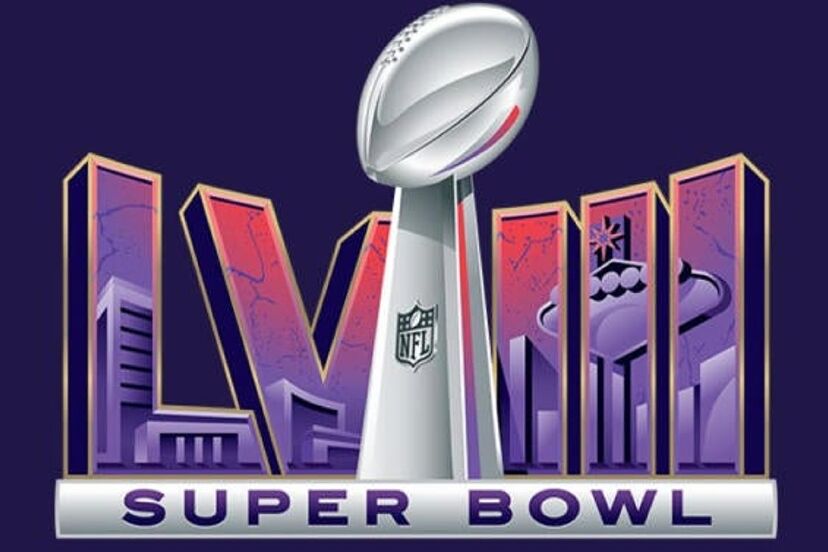
The Super Bowl is often regarded as the pinnacle of American sports entertainment. This year’s edition, Super Bowl LVIII, brought unparalleled excitement and a historic economic impact to Las Vegas, transforming the city into a vibrant hub of sports and commerce. Held at the state-of-the-art Allegiant Stadium, the event was expected to generate $1.1 billion in total economic impact for the region according to projections by the Las Vegas Convention and Visitors Authority (LVCVA). Conservative estimates still placed the economic boost between $600 million and $700 million, indicating that the event exceeded expectations for one of the largest economic surges in Super Bowl history.
NFL and Teams Benefit from Increased Revenues
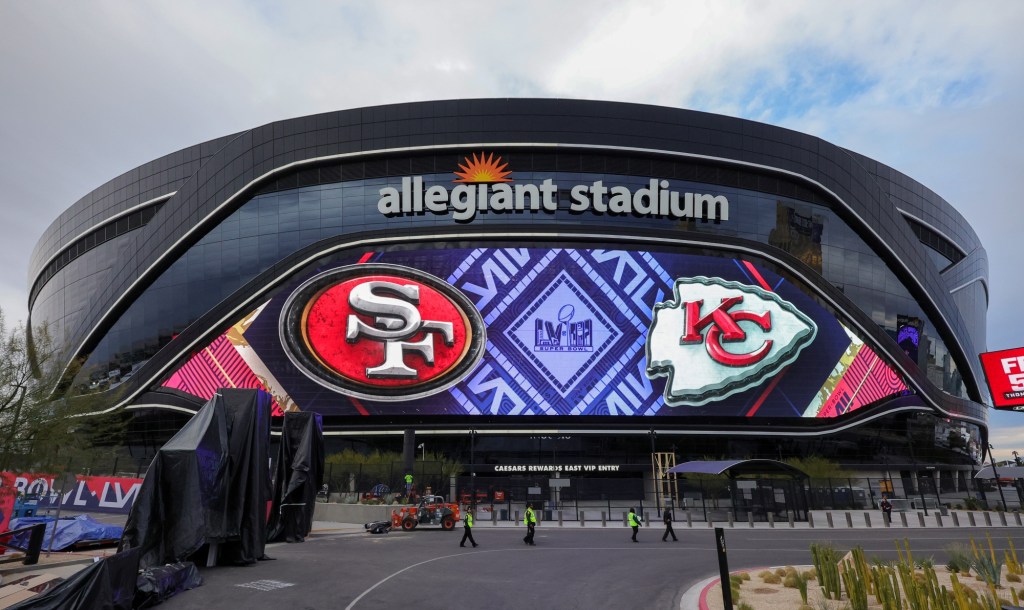
The NFL was a significant financial winner during Super Bowl LVIII, securing revenue through various streams like ticket sales, merchandise, and lucrative broadcasting deals. ViacomCBS signed an 11-year contract worth $2.1 billion per year for rights to air NFL games, including three Super Bowls. The 2024 Super Bowl alone drew over 110 million viewers globally, which brought substantial advertising revenue to CBS and the NFL, with advertisers paying upwards of $7million for a 30-second commercial.
Ticket sales were at an all-time high, with fans paying $6.8k to up to $23k for the unique experience of the Super Bowl in Sin City. The NFL collected 100% of the revenue from these ticket sales and also benefited from strong merchandise sales.
Beyond direct revenues, the NFL’s Business Connect program offered 150 local businesses the opportunity to secure sub-contracts for Super Bowl-related services, thus providing equitable procurement opportunities for diverse vendors. This initiative helped ensure that the league’s financial success also reached local communities by promoting equitable and inclusive contracting practices. These vendors, which spanned categories like catering, event production, and photography, formed a crucial part of the NFL’s efforts to support regional businesses.
Hospitality and Tourism Sector Soar
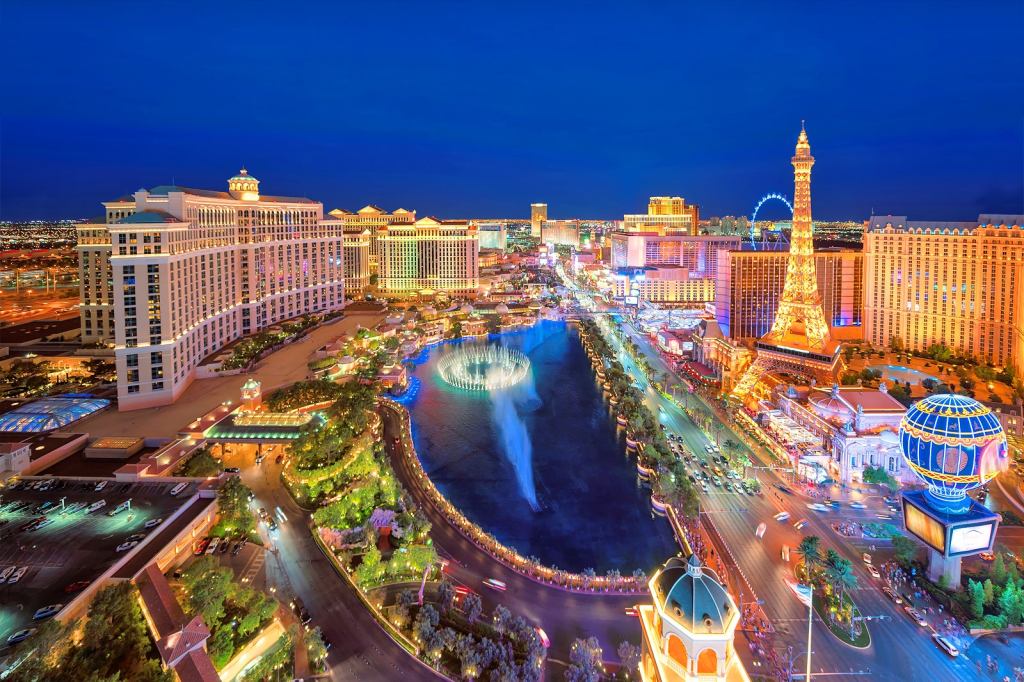
With approximately 330,000 to 450,000 fans descending upon Las Vegas for Super Bowl weekend, hotels reached near-capacity levels. Room rates and dining reservations hit new heights, while casinos and entertainment venues thrived throughout the week leading up to the game. The influx of fans from across the globe provided a tremendous boost to the hospitality and tourism sectors.
Lingering Concerns and Challenges
While the economic boost was undeniable, some analysts raised concerns about revenue leakage to national chains and highlighted the significant investment required to host an event of this magnitude. Security, emergency services, and infrastructure upgrades like the $750 million invested in Allegiant Stadium all weighed heavily on taxpayer dollars. Additionally, there were concerns that the Super Bowl could displace regular tourists and potentially disrupt local businesses that weren’t directly involved with the event.
Ultimately, Super Bowl LVIII proved an immense success for Las Vegas, solidifying its reputation as a premier sports destination. The event provided global exposure, increased advertising revenue, and boosted civic pride, ensuring that the city could position itself favorably for future major events. For the NFL, the Super Bowl reinforced its commercial prowess, demonstrating how a single sporting event could not only generate significant revenue but also unite an entire city in celebration.
 The Economic ScoreBoard
Leave a comment